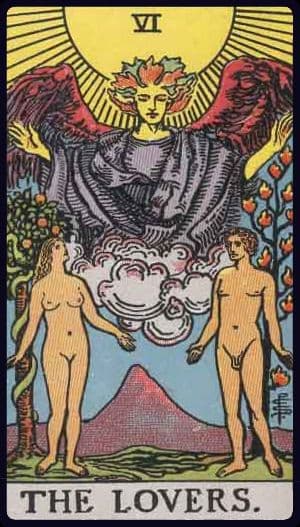
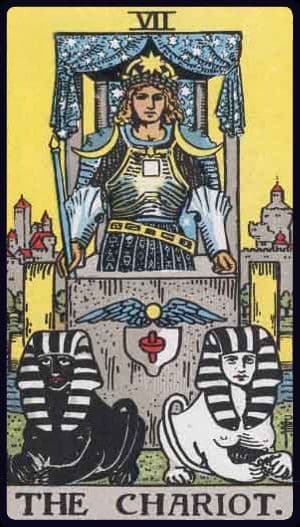
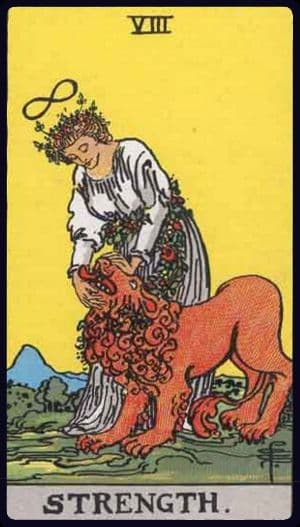
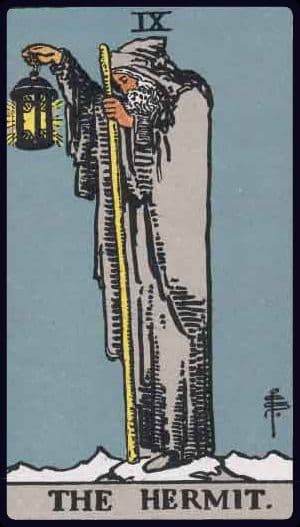
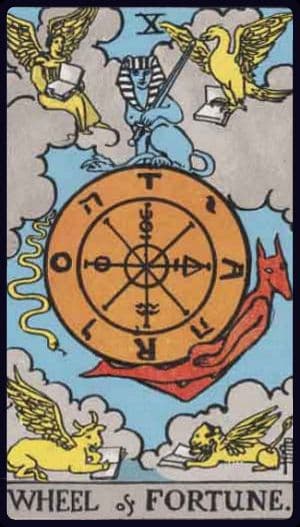
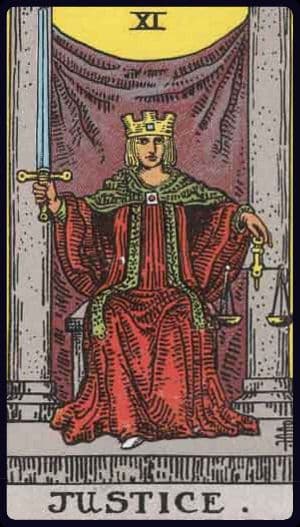
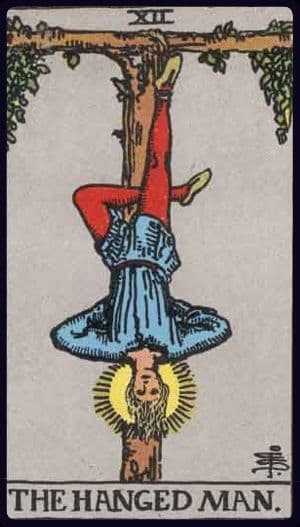
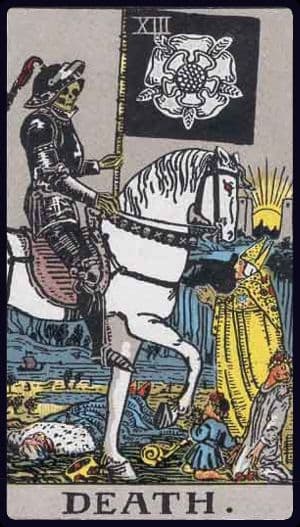
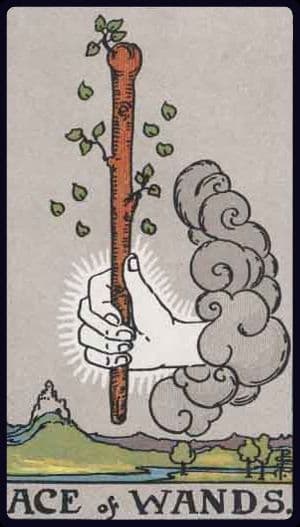
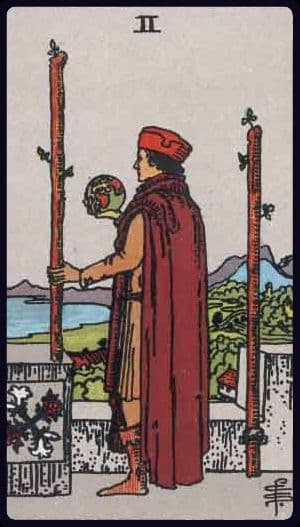
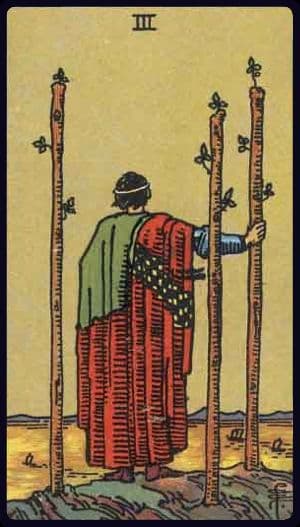
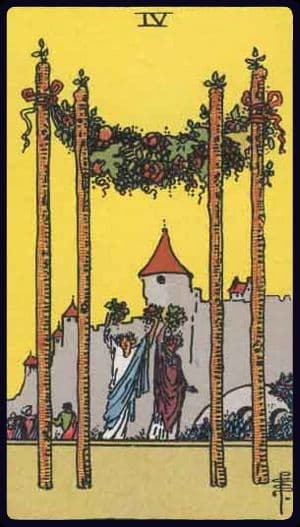
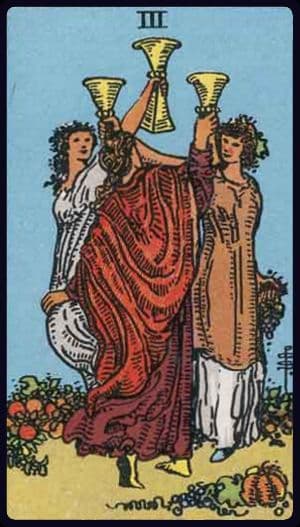
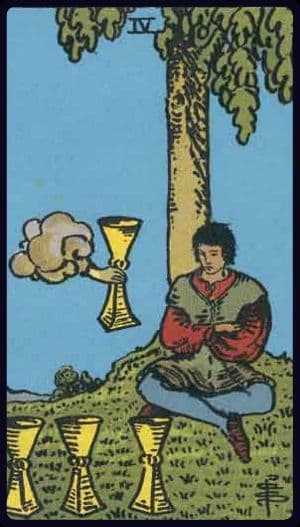
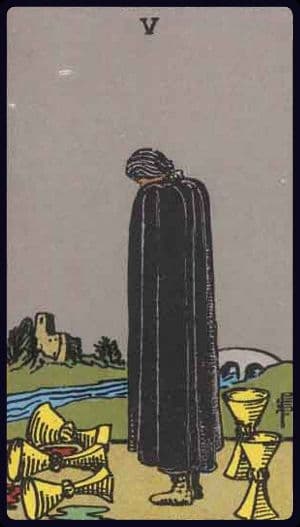
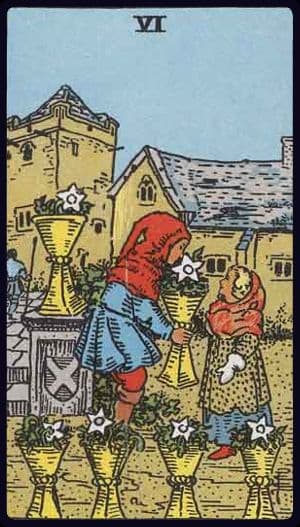
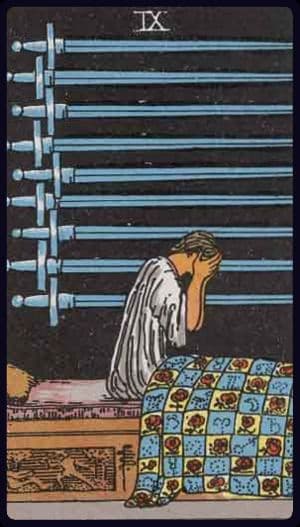
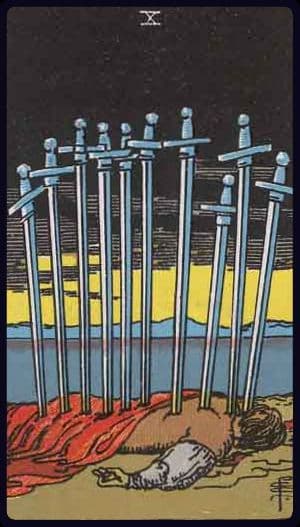
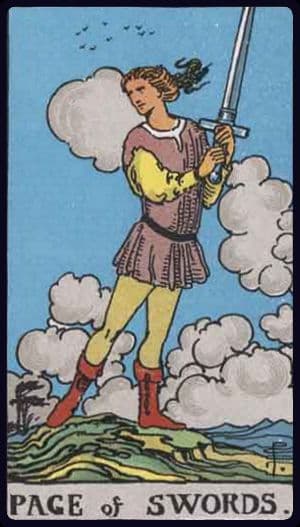
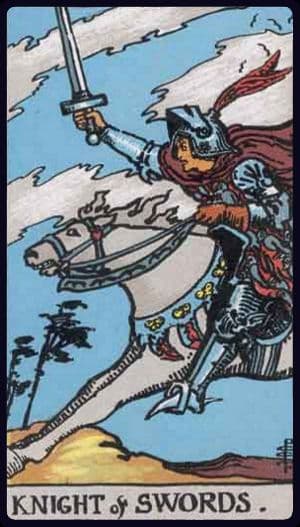
The complete tarot deck — meanings of all 78 cards

Browse the 22 cards of the Major Arcana and the 56 cards of the four suits. Every card comes with a detailed upright and reversed meaning.

A beginner's guide to tarot

Tarot is not fortune telling — it is a visual language: 78 cards that compress life situations, feelings and decision points into a single image. This guide walks you through how the deck is built, what a reversed card actually means, and how to ask a question the cards can genuinely answer.

How is the 78-card tarot deck structured?

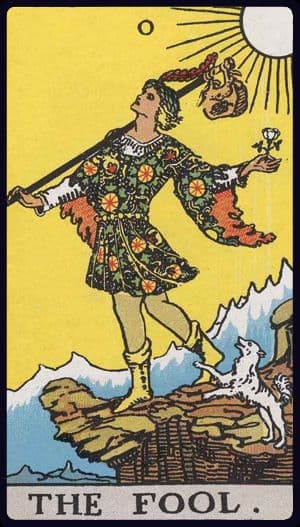
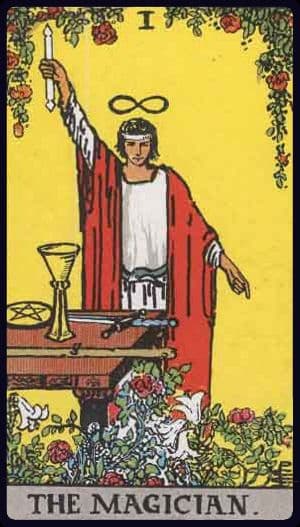
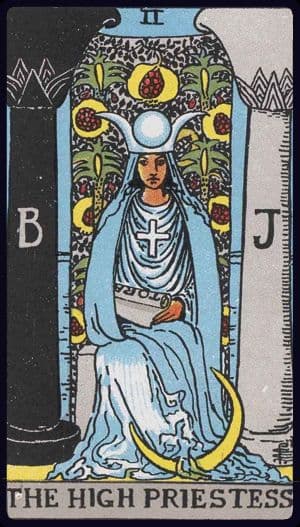
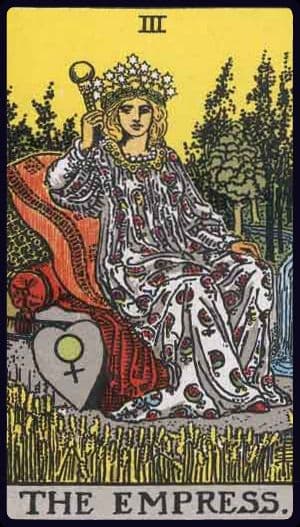
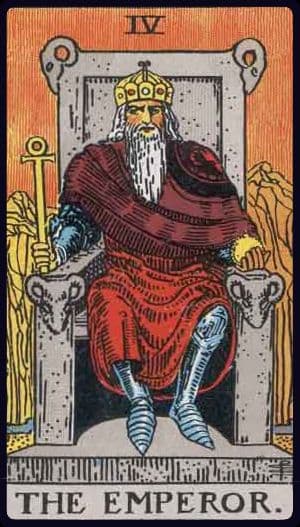
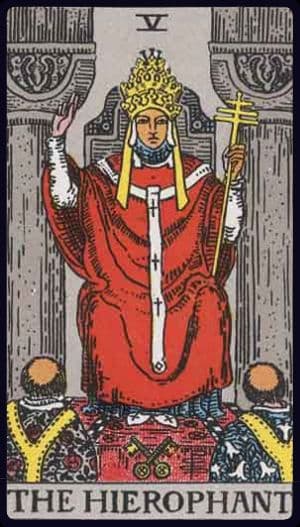
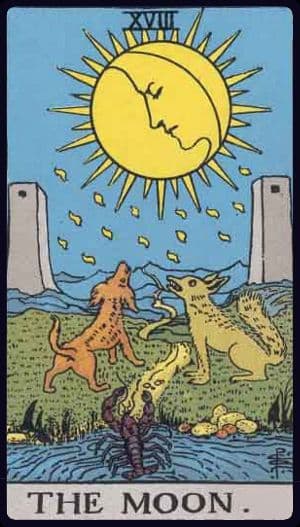
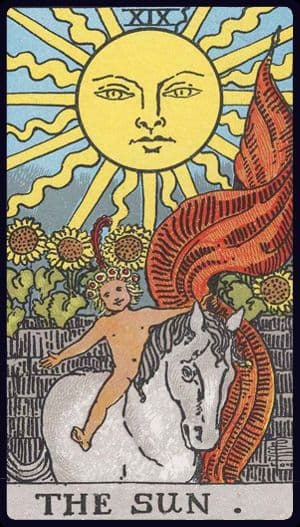
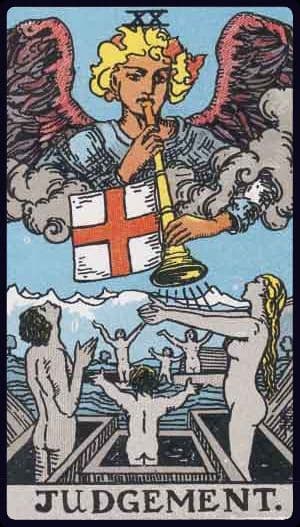
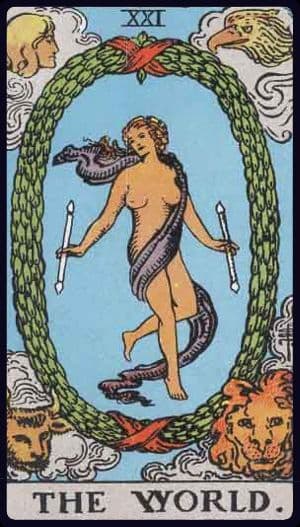
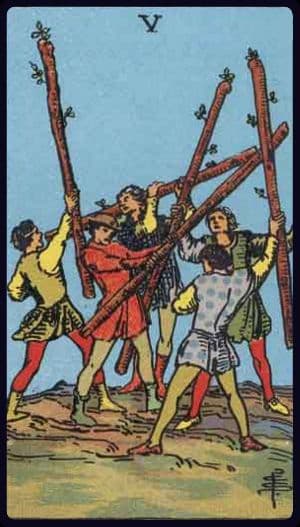
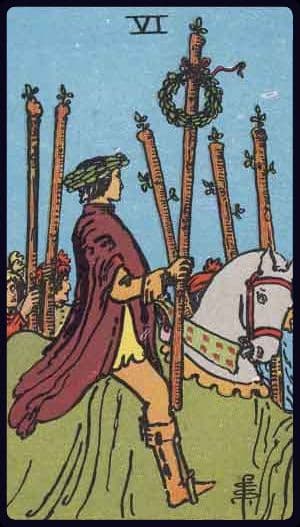
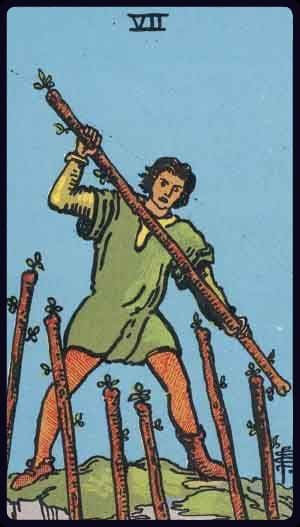
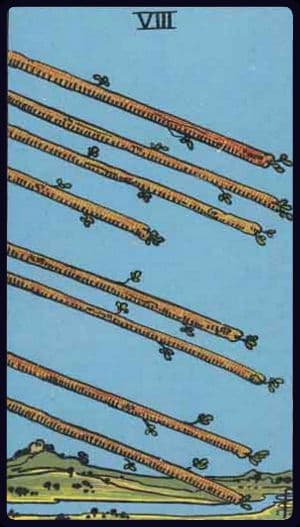
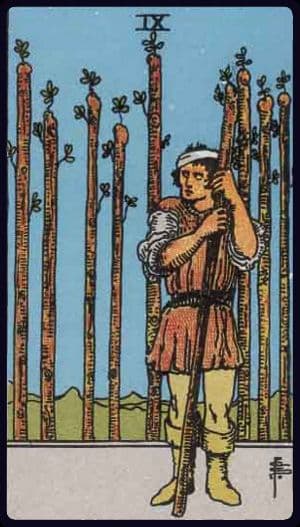
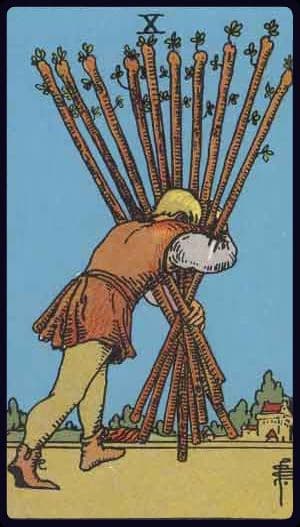
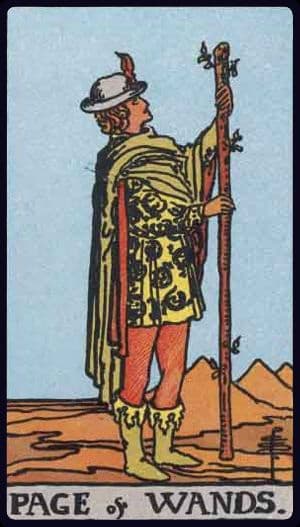
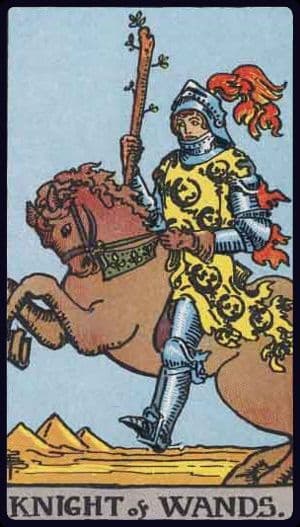
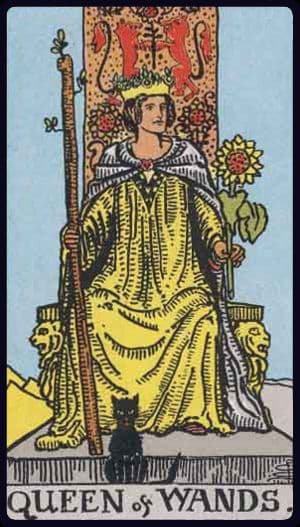
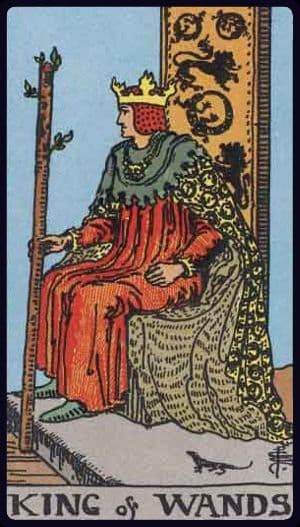
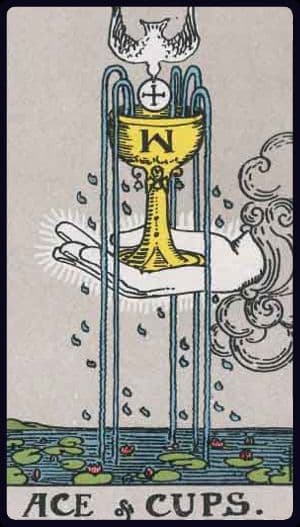
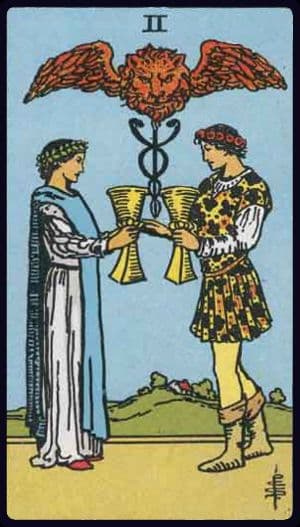
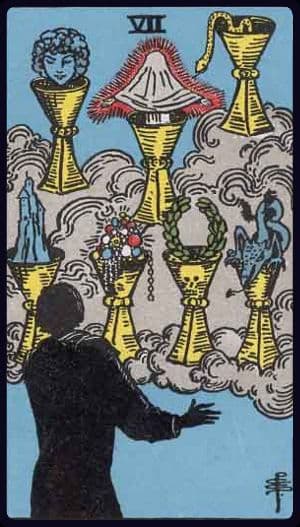
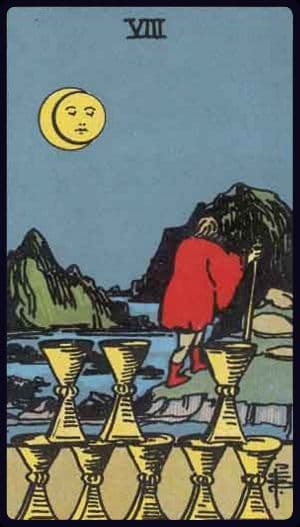
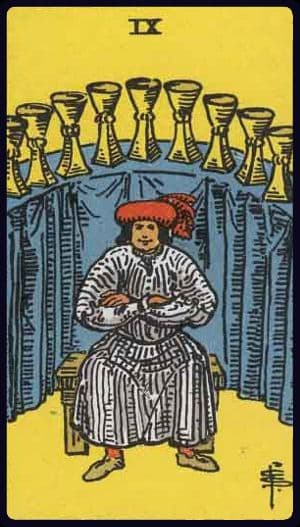
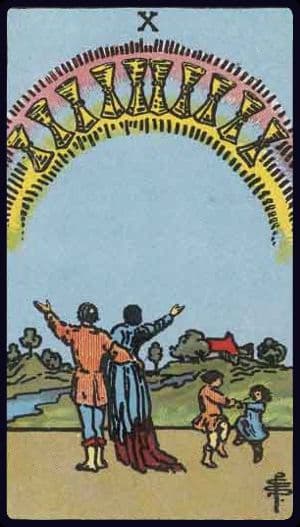
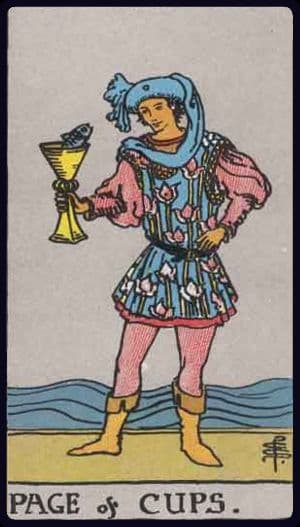
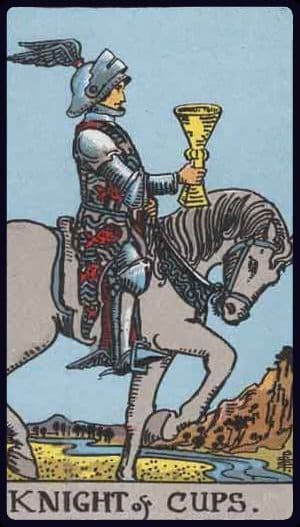
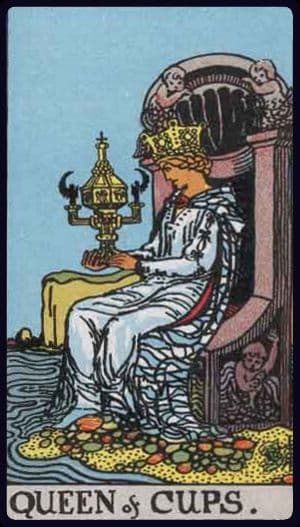
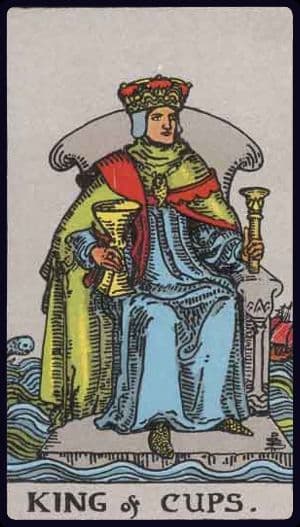
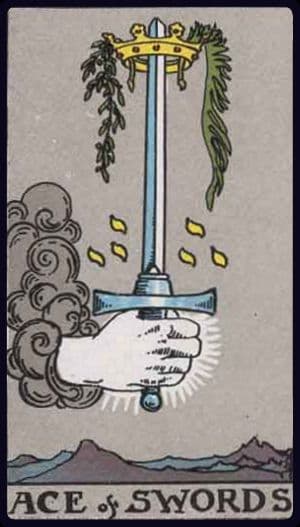
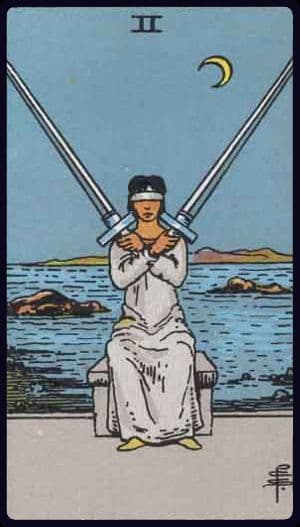
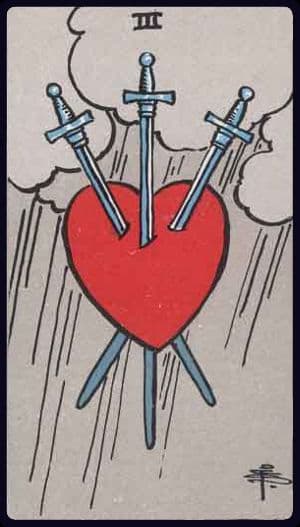
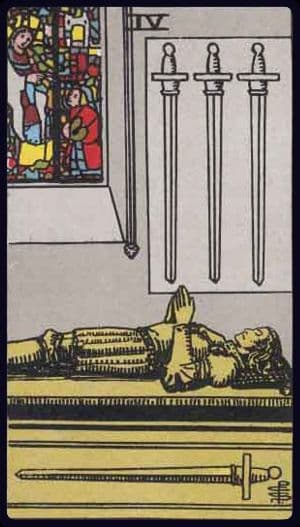
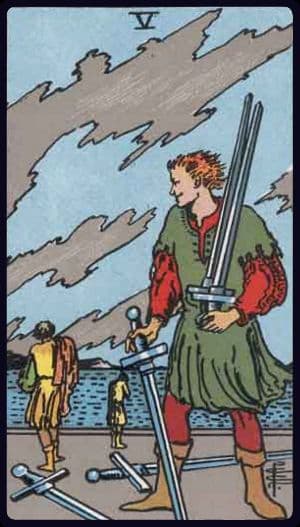
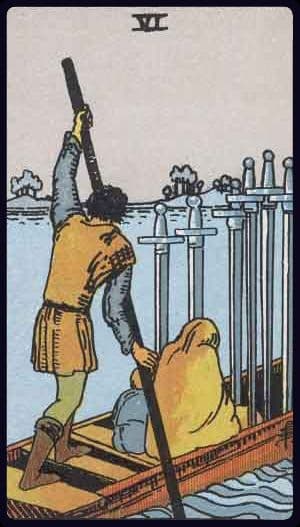
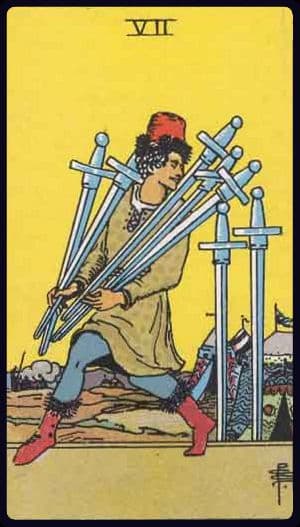
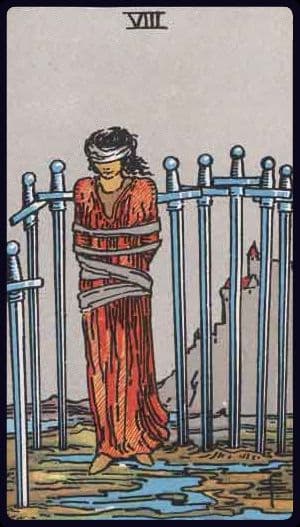
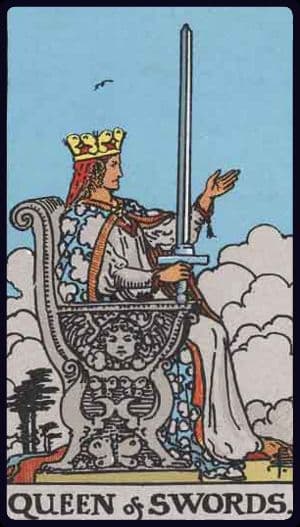
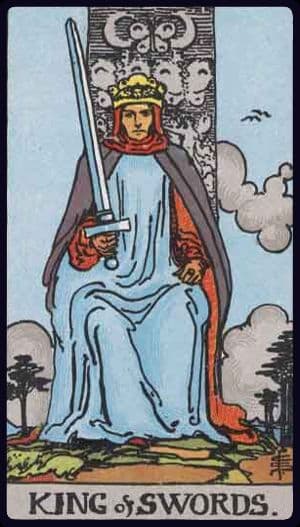
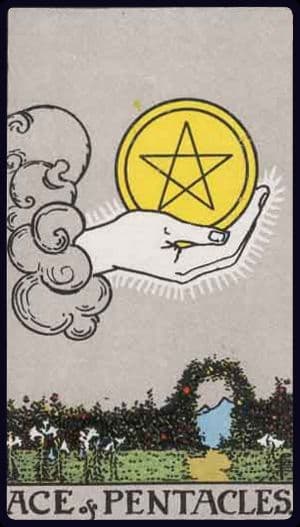
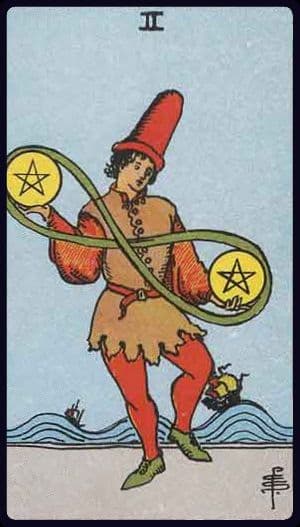
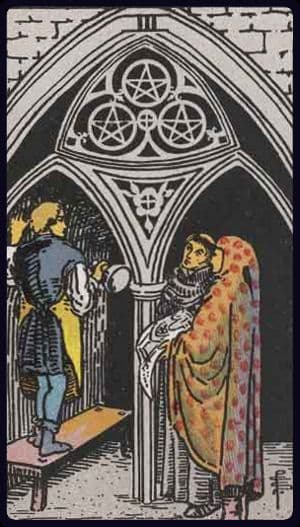
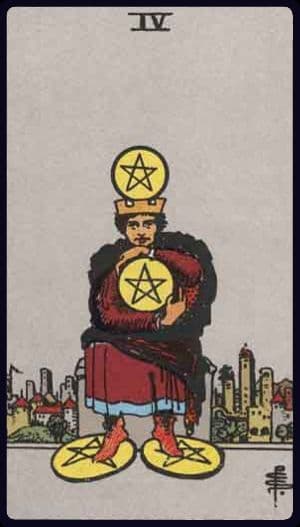
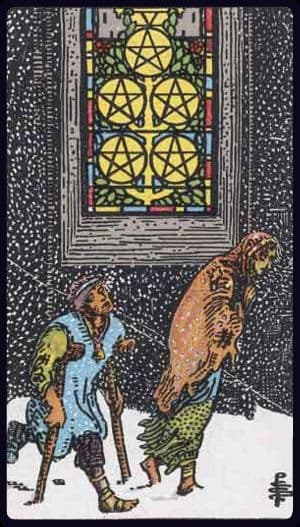
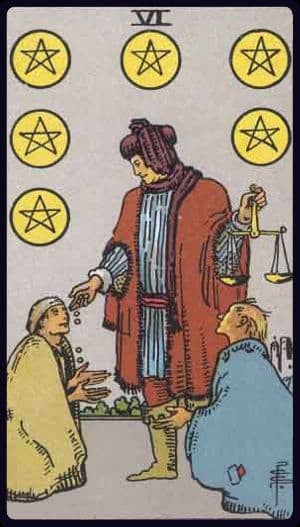
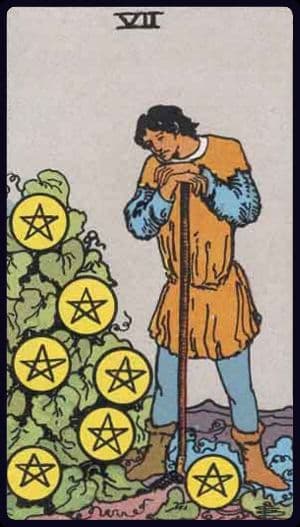
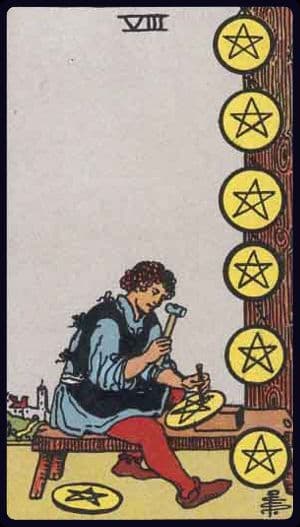
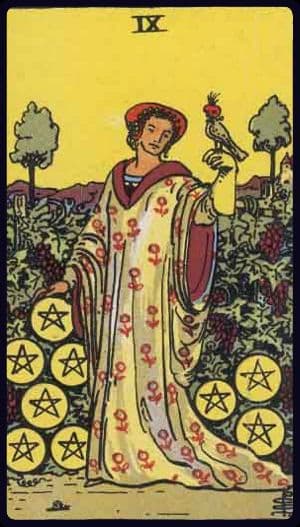
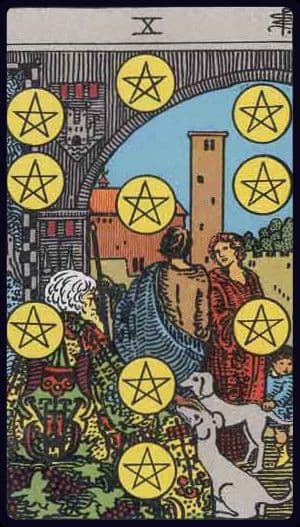
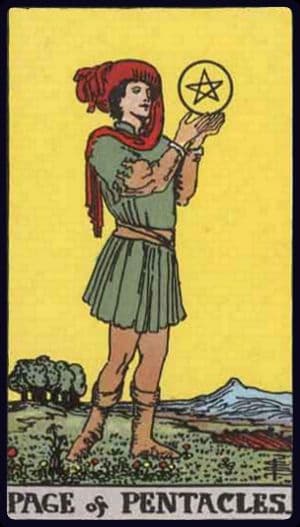
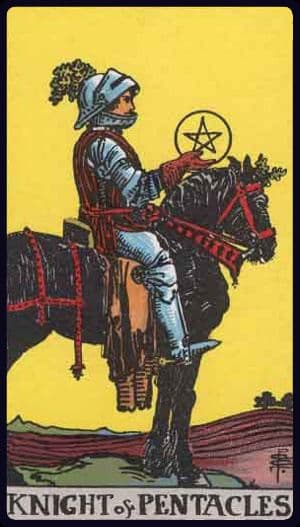
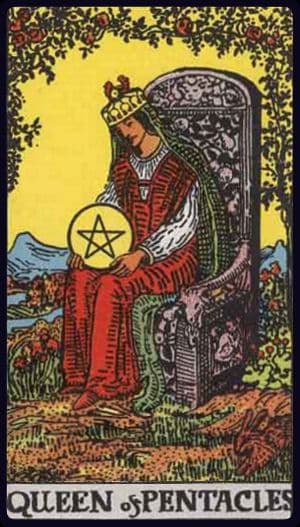
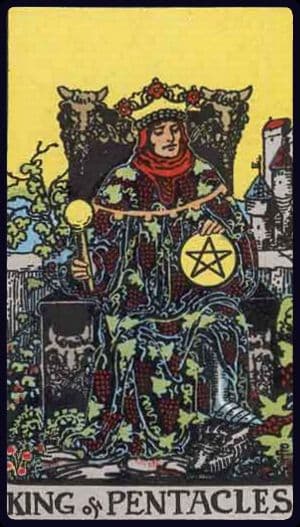
A traditional tarot deck has two parts. The 22 cards of the Major Arcana trace a complete arc of development from The Fool to The World: these cards point to turning points and deep inner change. The 56 cards of the Minor Arcana are split into four suits and speak at the level of everyday life. Wands stand for drive, momentum and initiative; Cups for emotions and relationships; Swords for thoughts, conflicts and decisions; Pentacles for material security, work and the body. If a spread is unusually full of Major Arcana cards, it usually means your question carries more weight than it first appears.

What does a reversed card mean?

A reversed card is not the opposite of the card, and it is not automatically a bad omen. The most common reading is that the card's energy is blocked, turned inward, or pushed to excess. Reversed Strength, for example, does not mean weakness — it means your strength is turning against you, as impatience or self-criticism. Many readers do not use reversals at all and read the shadow side from the surrounding cards instead, which is an equally valid approach. What matters is consistency: decide at the start of a reading whether reversals count, and stick to it.

How do you ask the cards a good question?

Yes-or-no questions get the weakest answers. Asking 'Will they come back?' or 'Will I get the job?' shrinks a complex situation into a single verdict. Open, action-oriented phrasing gives far more: 'What do I need to see in this relationship?', 'What is holding me back from changing?', 'What should I watch for next month?'. A good question is about you rather than about other people, and it leaves room to move. When an answer feels confusing, the question is usually at fault, not the cards.

Which tarot spread should you choose?

A single card makes an excellent daily compass: drawn in the morning, it gives your day a focus. The three-card spread — past, present, future, or situation, obstacle, advice — works well when you want to unpack one specific matter. The ten cards of the Celtic Cross map an entire life situation, from outer circumstances to hidden fears; as a beginner, it is worth saving for later. The love and moon spreads sharpen the focus on one theme each: relationship dynamics and intuition respectively. Whichever you pick, the same 78 cards are at work — the spread only gives your question its structure.

Frequently asked questions about tarot

The questions people ask most often about drawing cards and reading their meaning.

Can you learn tarot on your own?

Yes. The meanings of the 78 cards can be learned, and most experienced readers started by themselves. The fastest method is to draw one card a day, write down what you thought it meant, and revisit it in the evening to see what actually happened. After a few weeks your own notes will be worth more than any card dictionary — and our card encyclopedia gives you both the upright and the reversed meaning for every card as a starting point.

Are Death and The Devil bad cards?

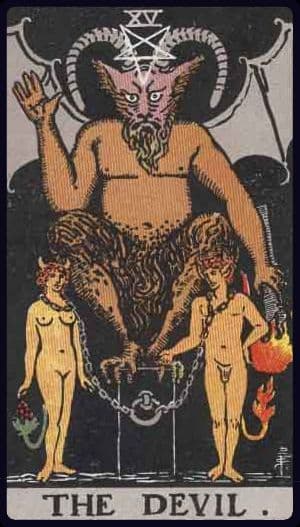
No. Death is one of the most misunderstood cards in tarot: it almost never refers to literal death, but to a chapter that has closed and needs to be released so the next one can begin. The Devil does not stand for evil either — it points to dependency, compulsion, or a situation in which you are the one holding yourself captive. There are no inherently good or bad cards in tarot; the meaning always comes from the question and the surrounding cards.

How many times a day can I draw cards?

As often as you like, but it is not worth drawing repeatedly on the same question. If you dislike the answer and keep drawing until a friendlier card shows up, the reading loses its point. Rephrase the question instead, or come back to it in a few days once the situation itself has moved.

What is the difference between a free draw and an extended reading?

A free draw gives you the general meaning of the cards you pulled, which works well as a daily compass on its own. In an extended reading you ask your own question, and the Tarot Master interprets the spread against your birth data and the relationships between the cards — so the answer speaks to your specific situation.

Do I need my birth details?

Not for the free draw — you can try that without signing in. The personalized extended reading does need them: adding your zodiac sign and ascendant is what allows the interpretation to be tailored to your chart.